Published Mar 8, 2026 · Updated Aug 30, 2026
Why Is Gold So Valuable? 7 Undeniable Reasons Gold Has Held Its Worth for 5,000 Years
Why is gold so valuable? People have been asking this question for thousands of years, and the answer still surprises most people today. Gold is not just a shiny metal. It is one of the most useful, rare, and trusted materials ever discovered, and those qualities together explain why gold is so valuable across every culture, every era, and every economic system ever created.
The real question is not whether gold is valuable — the price crossing $3,000 per ounce in 2025 makes that obvious. The real question is why is gold so valuable in the first place, and why it has stayed that way for over 5,000 years while currencies, empires, and entire economic systems have come and gone.
This article gives you a complete, beginner-friendly answer. We cover the science, the history, the market forces, and the practical uses that together explain why is gold so valuable today and why that is extremely unlikely to change. By the time you finish reading, you will understand gold in a way most people never do.
What Makes Gold Valuable? The 3 Physical Properties That Started Everything
Before looking at markets or history, you need to understand the physical science behind why is gold so valuable. Gold’s value did not start with human decision. It started with chemistry.
Gold’s Unique Physical Properties
Gold is a chemical element with the symbol Au. It has a set of physical properties that almost no other metal shares, and that combination is the starting point for understanding why is gold so valuable at a fundamental level.
Gold is extremely malleable — a single ounce can be hammered into a sheet covering more than 100 square feet without cracking. It is highly ductile, meaning it can be drawn into incredibly thin wire. It conducts electricity reliably, resists corrosion completely, and has a warm, distinctive color that no other natural substance replicates. Every single one of these properties drives real demand in real industries, which is a core reason why is gold so valuable beyond its appearance.
When you ask why is gold so valuable to technology companies, electronics manufacturers, and aerospace engineers, this combination of properties is always the answer. Gold does things other metals simply cannot do as reliably.
Use Our Gold Jewelry Calculator to Find Real Worth of Your Jewelry
Rarity and Limited Supply
Another fundamental reason why is gold so valuable is its supply. Gold is rare enough to be precious but not so rare that it is inaccessible. That balance is critical. If gold were as common as iron, nobody would treat it as special. If it were as exotic as a lab-produced element, nobody could hold it.
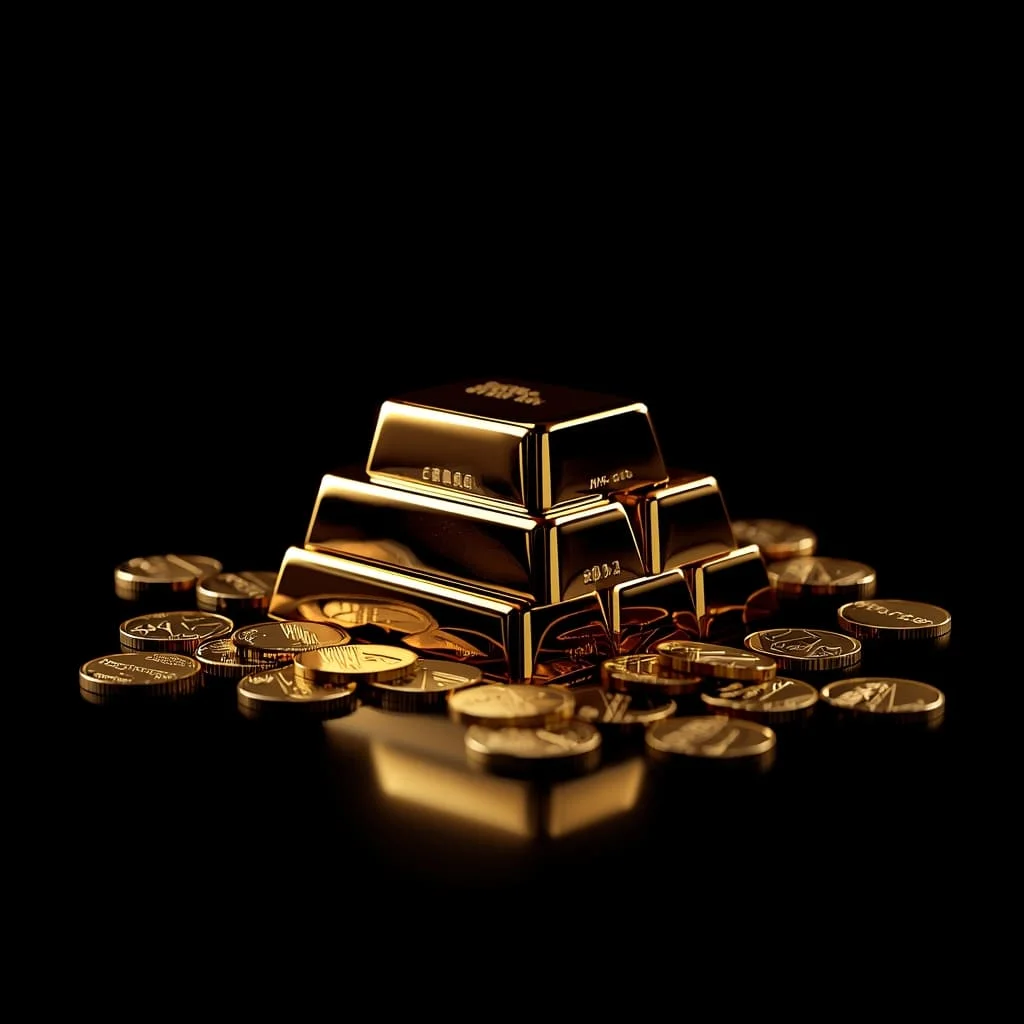
All the gold ever mined in human history totals approximately 212,000 tonnes. The entire amount would fit inside a cube just 21 meters on each side. That is a strikingly small quantity for something that has driven economies for millennia, and it is one of the most direct answers to why gold is expensive. You cannot manufacture more of it, and new deposits are increasingly difficult and costly to find.
This limited supply is why is gold so valuable as a long-term store of wealth. Governments can print paper money. Banks can create digital credit. Nobody can create gold. That distinction matters enormously.
Durability and Resistance to Corrosion
Durability is the third physical pillar of why is gold so valuable. Iron rusts. Silver tarnishes. Copper corrodes. Gold does none of these things. A gold coin buried for 2,000 years comes out of the ground looking almost exactly as it did on the day it was made.
This permanence is why is gold so valuable as a generational store of wealth. You can hold a gold bar today and pass it to your children in identical condition. No degradation. No decay. No expiry date. For any serious wealth preservation strategy, that kind of permanence is genuinely irreplaceable.
The physical properties of gold — its workability, rarity, and durability — are the bedrock of why is gold so valuable. Everything else builds on top of this foundation.
The History of Gold as Money — Why Gold Is Valuable Across Every Civilization
History provides some of the most compelling answers to why is gold so valuable. Gold did not earn its status through marketing or government decree. It earned it over 5,000 years across dozens of independent civilizations that never communicated with each other, yet all reached the same conclusion.
Gold in Ancient Civilizations
Ancient Egypt treated gold as the skin of the gods. Pharaohs were buried with enormous quantities of it. Ancient Mesopotamia used gold in commerce and as a measure of wealth. In India, China, and across the Americas, independent civilizations developed deep relationships with gold long before any of them knew the others existed.
That independent parallel recognition is one of the strongest historical arguments for why is gold so valuable. When completely separate societies — with no shared language, religion, or trade route — all identify the same metal as precious, it points to something real about gold’s actual properties rather than cultural habit. The rarity, beauty, and permanence of gold communicated value across every boundary.
This universal historical recognition is a big reason why is gold so valuable even today. It is not tradition for tradition’s sake. It is 5,000 years of human experience confirming that gold holds value when other things do not.
Gold Coins and Early Trade
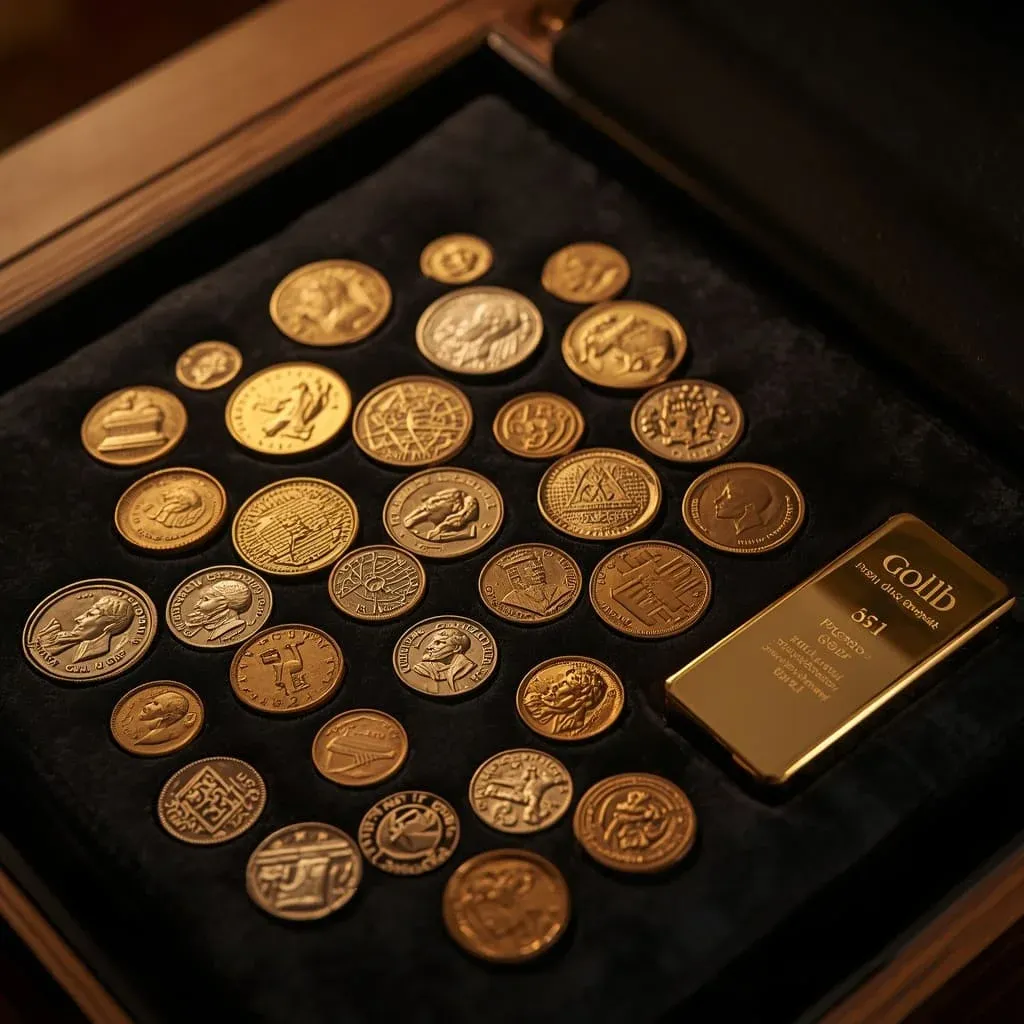
The first gold coins appeared around 600 BC in Lydia, a kingdom in what is now western Turkey. Before coins, traders weighed raw gold. Coins simplified commerce by providing pre-measured, officially stamped units that strangers could trust across long distances.
Gold coins spread rapidly through the ancient world because they solved a real problem: how do you trade fairly with people you have never met? A gold coin was accepted everywhere because everyone already understood why is gold so valuable. This is one of the earliest and most practical demonstrations of gold’s monetary utility, and it explains why is gold so valuable as the original globally trusted currency.
The Gold Standard in Modern History
For most of the 19th and early 20th centuries, major economies operated on a gold standard. Every unit of paper currency was backed by a fixed amount of physical gold held in reserve. The connection between money and gold was explicit and legally enforced.
The United States officially ended the gold standard in 1971 when President Nixon closed the gold window. Since then, every major currency has been fiat money — backed by government authority rather than physical gold. And yet the gold price climbed from $35 per ounce in 1971 to over $3,000 by 2025. That trajectory is one of the most powerful answers to why is gold so valuable independent of official monetary policy. Removing gold from the currency system did not weaken gold. It simply proved that gold’s value exists on its own.
Use Our Free Weight Calculator
Why Gold Is Expensive Today — The 3 Market Forces Keeping Prices High
Why is gold so valuable in today’s market specifically? The answer comes from three forces working simultaneously: surging global demand, constrained mining supply, and diversified industrial consumption.
Global Demand for Gold
Global gold demand comes from four major sectors at once. Jewelry accounts for roughly half of all annual demand worldwide, with India and China the dominant markets. Investment demand through physical gold bars, gold coins, and gold-backed ETFs makes up a significant portion. Central bank purchases and industrial uses make up the rest.
This multi-sector demand base is a core reason why is gold so valuable in market terms. Even when one segment softens, others compensate. When investment demand fell in 2022, central bank buying hit all-time highs. When financial markets were calm, jewelry demand in Asia remained consistently strong. That structural resilience is why gold is expensive across economic cycles, not just during crises.
Every time someone asks why is gold so valuable right now, the answer starts with this: there are too many competing buyers from too many different sectors for the price to stay low for long.
Gold Mining and Limited Resources
Gold mining is expensive, technically demanding, and getting harder every year. The accessible, high-grade deposits near the surface have largely been exhausted. Modern operations go deeper, into harder rock, in more remote regions, at far greater cost per ounce recovered.
According to the World Gold Council, global mine production has remained relatively flat for years, running between 3,500 and 3,700 tonnes annually. Meanwhile, total demand consistently meets or exceeds that figure. The all-in cost of producing an ounce of gold at many operations now runs above $1,200. That production cost creates a natural floor under the price — a direct structural reason why gold is expensive that has nothing to do with investor sentiment.
If gold prices fall below the cost of mining it, mines shut down, supply drops, and prices recover. That self-correcting mechanism is part of why is gold so valuable with such persistence across economic cycles.
Jewelry, Technology, and Industrial Uses
Beyond investment, gold faces genuine consumption demand from industries that use it up permanently. The jewelry industry is the single largest buyer of gold each year. In South Asia and the Middle East, gold jewelry is not just decorative. It functions as wearable savings and a culturally embedded form of family wealth. Indian families alone hold an estimated 25,000 tonnes of privately owned gold.
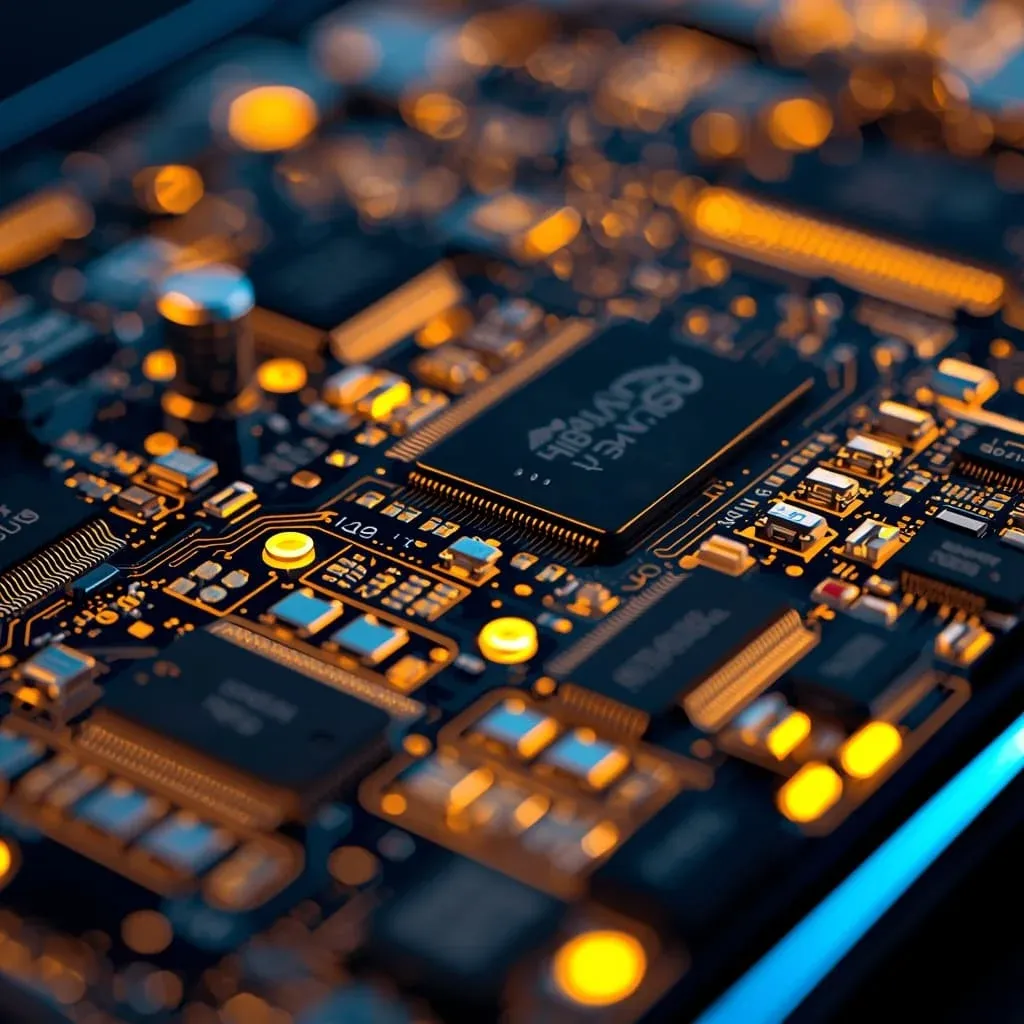
In technology, gold’s conductivity and corrosion resistance make it essential in smartphones, computers, satellites, and medical devices. These industrial uses generate consistent demand that exists completely apart from investment or cultural factors. This practical consumption is another layer of why is gold so valuable that most casual observers miss entirely.
Why Investors Buy Gold — The 3 Portfolio Reasons That Matter Most
For millions of investors worldwide, why is gold so valuable comes down to one thing: what it reliably does when everything else goes wrong.
Gold as a Safe Haven Asset
Gold is universally recognized as a safe haven asset. When stock markets fall, currencies weaken, or geopolitical crises escalate, investors move money into gold. The price typically rises precisely when other assets are under the most pressure.
This behavior is not coincidence. It reflects gold’s unique position: it is nobody’s liability, it cannot be printed or conjured digitally, and it is accepted as valuable everywhere on earth. This is exactly why is gold so valuable during financial stress — it is one of the only globally recognized stores of wealth that exists completely outside any single government’s control.
When you understand this, you understand why is gold so valuable to institutions, governments, and individuals simultaneously. It is the financial world’s ultimate neutral ground.
Protection Against Inflation
Inflation erodes the purchasing power of paper money over time. The same amount of cash buys progressively less as prices rise. This is one of the most practical and personal reasons why is gold so valuable to everyday savers and investors.
Gold has maintained its purchasing power over extraordinary timeframes. An ounce of gold in ancient Rome bought a quality toga and sandals. An ounce of gold today buys a quality business suit. Two thousand years, same purchasing power. Meanwhile, the Roman currency, the denarius, is worth nothing at all today. That comparison alone explains why is gold so valuable as a long-term inflation hedge in a way no financial model needs to.
For anyone worried about the long-term effect of inflation on their savings, understanding why is gold so valuable as a purchasing power preserver is essential knowledge.
Portfolio Diversification
Professional investors and wealth managers typically recommend a 5 to 15 percent gold allocation within a diversified portfolio. The reason is quantifiable: gold tends to move independently of stocks and bonds. When equities crash, gold often holds steady or gains.
Adding gold bullion, gold bars, or gold ETFs to a mixed portfolio has historically reduced overall volatility without proportionally sacrificing returns. That mathematical diversification benefit is a clear and measurable answer to why is gold so valuable to institutional portfolio managers — it is not just emotional, it is mathematical.
How Gold Is Used in the Modern World — Industrial Proof of Why Gold Is So Valuable
One of the most overlooked answers to why is gold so valuable is industrial demand. Gold is not just sitting in vaults or decorating fingers. It is inside your smartphone, being used in hospitals right now, and orbiting the earth on satellites.
Gold in Electronics
Gold is one of the best electrical conductors available, and unlike copper or silver, it does not oxidize or corrode over time. This makes it ideal for the microscopic connectors, circuit pathways, and contact points inside electronic devices. The average smartphone contains roughly 0.03 grams of gold. With over 1.5 billion phones sold annually, the electronics industry absorbs over 45 tonnes of gold per year from smartphones alone.
Computer processors, GPS units, medical monitors, and aerospace instruments all use gold components. This is a real and growing reason why is gold so valuable in the technology age — demand from the electronics industry is consistent, rising, and entirely separate from investment or decorative demand.
Gold in Medicine
Gold has surprising medical applications that most people never think about. Gold nanoparticles are being actively researched for targeted cancer therapy, where they can be guided to tumor cells for drug delivery or heat treatment with minimal side effects. Gold compounds have been used to treat rheumatoid arthritis for decades.
Gold is also biocompatible — human tissue accepts it without rejection. This property makes gold suitable for long-term implants, sensors, and certain surgical instruments. These medical applications add a healthcare dimension to why is gold so valuable that extends well beyond its traditional roles.
Gold in Aerospace and Technology
NASA uses gold extensively in spacecraft design. Gold foil serves as a thermal radiation shield, protecting satellites from extreme temperature swings between direct sunlight and deep space shadow. The mirrors of the James Webb Space Telescope are coated with a thin layer of gold specifically to optimize infrared light reflection.
When the world’s leading space agencies choose gold for mission-critical components, it confirms that gold’s properties are genuinely irreplaceable in high-performance applications. This is why is gold so valuable to the technology sector — not just historically or culturally, but practically and in ways that are actively expanding.
Gold vs Other Precious Metals — Why Gold Remains the Most Trusted of All
A natural follow-up to why is gold so valuable is how it compares to other precious metals. Silver, platinum, and palladium are all valuable — so what specifically makes gold the most trusted of all?
- Silver is more abundant than gold and widely used in solar panels, electronics, and photography. It is a legitimate precious metal and solid investment, but higher supply levels and sensitivity to industrial demand cycles make it significantly more volatile. Silver also tarnishes over time, which gold never does. This stability gap is part of why is gold so valuable compared to silver.
- Platinum is rarer than gold in the earth’s crust and heavily used in catalytic converters. However, its price follows automotive industry cycles closely and can collapse when car production slows. It also lacks gold’s 5,000-year monetary history and the universal recognition that explains why is gold so valuable across every culture simultaneously.
- Palladium has seen dramatic price swings due to its role in emissions control technology. Like platinum, it is tied to specific industrial cycles and can be highly unpredictable. It has no meaningful monetary heritage and is not held by central banks or investors in the foundational way that gold is.
Gold’s advantage is the complete combination it offers: universal recognition across every culture, a monetary track record spanning 5,000 years, diversified demand from jewelry to aerospace, unmatched liquidity in every global market, and physical durability that outlasts every alternative. No other precious metal checks all of those boxes at once. That is the definitive answer to why is gold so valuable compared to every competitor.
Will Gold Always Be Valuable? What the Long-Term Evidence Says
Understanding why is gold so valuable today leads naturally to one more question: will it stay that way? The long-term structural evidence says yes, for several powerful and durable reasons.
Central banks worldwide hold gold as a core reserve asset. The United States holds over 8,133 tonnes — the largest official gold reserve of any nation. Germany, Italy, France, Russia, and China each hold thousands of tonnes. These are not sentimental holdovers. They are strategic assets retained because gold carries zero counterparty risk, cannot be frozen by another government’s sanctions, and is universally accepted without condition. The fact that the world’s most powerful financial institutions still hold gold in enormous quantities is one of the strongest possible answers to why is gold so valuable in the modern era.
Technology demand is growing, not shrinking. Electronics, renewable energy systems, advanced medical devices, and space technology all require gold in manufacturing. As global technological complexity increases, so does the structural demand for gold’s irreplaceable properties. This industrial tailwind reinforces why is gold so valuable well into the future.
Emerging market growth adds decades of demand ahead. As middle-class populations expand across Asia, Africa, and Latin America, spending on gold jewelry and investment gold grows alongside them. India and China are already the world’s largest gold markets, and both are expected to keep expanding significantly.
Supply constraints are permanent. The most accessible gold deposits have already been found and mined. New discoveries require deeper drilling in more remote locations at far greater cost and time. Annual mine production has been essentially flat for years. The combination of growing global demand and constrained supply is one of the most structurally sound reasons why is gold so valuable and will remain so.
7 Fascinating Facts That Show Exactly Why Gold Is So Valuable
These facts make the case for why is gold so valuable more vividly than any chart or forecast could.
- All the gold ever mined totals approximately 212,000 tonnes — the entire amount fits inside a cube just 21 meters on each side. This physical scarcity is the most direct proof of why gold is expensive.
- Earth’s oceans contain an estimated 20 million tonnes of dissolved gold. It is so dilute that extracting it remains economically impossible, which keeps land-based mining as the only realistic supply source.
- The United States holds over 8,133 tonnes of gold reserves, mostly stored at Fort Knox and the Federal Reserve Bank of New York — a direct signal of why is gold so valuable to the world’s largest economy.
- Gold is edible. Genuine 24-karat gold leaf is used in high-end culinary presentations and is certified safe by food authorities. It passes through the body without being absorbed.
- Your smartphone contains gold. The average device holds about 0.03 grams of gold in its circuitry. Across 1.5 billion phones sold annually, that represents over 45 tonnes of gold consumed by the smartphone industry every year.
- Gold is extraordinarily dense. A cubic foot of gold weighs over 1,200 pounds — about 19.3 times the density of water. This is why even a small gold bar feels surprisingly heavy and why gold is difficult to fake convincingly.
- Scientists believe much of earth’s gold arrived via asteroid impacts billions of years ago. Gold is present in meteorites, which means the gold in your jewelry may have originated in a dying star.
Frequently Asked Questions: Why Is Gold So Valuable?
Why is gold so valuable compared to other metals?
Gold is so valuable compared to other metals because it combines rarity, physical durability, universal monetary recognition, and diversified industrial utility in a way no other metal matches. It has a 5,000-year track record as a trusted store of wealth across every civilization on earth. That complete combination is precisely why is gold so valuable while other metals serve more limited roles.
Why is gold expensive?
Gold is expensive because supply is permanently limited and growing more constrained as accessible deposits are exhausted. Mining costs set a natural price floor that rises over time as operations get deeper and more complex. Consistent demand from jewelry, technology, investment, and central banks ensures prices stay elevated. These structural forces explain why gold is expensive in practical, non-speculative terms.
Why do central banks store gold?
Central banks store gold because it is a universally accepted reserve asset that carries zero counterparty risk. Unlike government bonds or foreign currencies, gold cannot be defaulted on, frozen by geopolitical action, or inflated away by another country’s monetary policy. This financial sovereignty is why is gold so valuable to governments and institutions, not just individual investors.
Does gold lose value over time?
Gold can experience short-term price declines during periods of strong dollar strength or rising real interest rates. Over long timeframes, however, gold has consistently preserved purchasing power through economic cycles, currency collapses, and inflationary periods that destroyed paper wealth. The long-term price trend across decades has been consistently upward, which is a core reason why is gold so valuable as a generational wealth tool.
Why is gold used in electronics?
Gold is used in electronics because it conducts electricity reliably while resisting corrosion over time. Most metals develop oxide layers that degrade electrical connections in sensitive components. Gold stays clean and conductive even in microscopic contact points inside smartphones, computers, and satellites. This reliability in high-stakes applications is a practical dimension of why is gold so valuable to the technology sector.
Is gold a good investment today?
Gold is widely considered a sound component of a diversified investment portfolio, especially as a hedge against inflation, currency weakness, and financial market instability. Most financial advisors recommend a 5 to 15 percent gold allocation. It is not a high-growth asset but has a strong track record of preserving wealth through the conditions that damage other investments most severely — which is exactly why is gold so valuable to long-term investors.
Why is gold important to the global economy?
Gold plays a structural role in the global economy as a reserve asset for central banks, a universal standard of value recognized across every culture and political system, and a critical material in high-technology manufacturing. Its independence from any single government or currency system makes it a stabilizing financial anchor — one of the clearest answers to why is gold so valuable at a macroeconomic level.
Why do people invest in gold rather than other assets?
People invest in gold because of its consistent behavior during the crises that damage other assets most severely. When equity markets crash, currencies inflate, or financial systems face stress, gold typically holds or gains value. That defensive quality, combined with universal liquidity and a 5,000-year track record, makes gold the foundational choice for investors focused on protecting wealth — and it is the deepest answer to why is gold so valuable as an investment.
Conclusion: Why Is Gold So Valuable? The Complete Answer
After covering the science, history, market forces, industrial uses, and investment logic, the complete answer to why is gold so valuable becomes clear: gold earns its status through multiple independent pillars, all pointing in the same direction.
Gold is so valuable because it is physically rare and impossible to manufacture. It is durable beyond any other common material. It has earned universal trust across 5,000 years and every major civilization. It is genuinely useful in electronics, medicine, and aerospace. It is protected by institutional demand from central banks on every continent. And it preserves purchasing power through the economic crises that destroy paper wealth.
Why gold is expensive is not a mystery. It is the logical result of limited supply meeting growing, diversified, multi-sector demand that never fully disappears. The jewelry industry needs it. The technology sector needs it. Governments want it in their vaults. Investors want it in their portfolios. That combination of persistent, overlapping demand against a fixed supply is why is gold so valuable in every era, every market, and every economic condition.
Understanding why is gold so valuable is ultimately understanding a fundamental truth: some things hold value not because of what people decide, but because of what they actually are. Gold is one of those things. It has been for 5,000 years, and every structural indicator points to that continuing for thousands of years more.